


Can You Really Change the World Starting With One Choice?
The world feels broken, but what if the solution isn’t out there—it’s within you? Every thought, every reaction, every choice shapes…

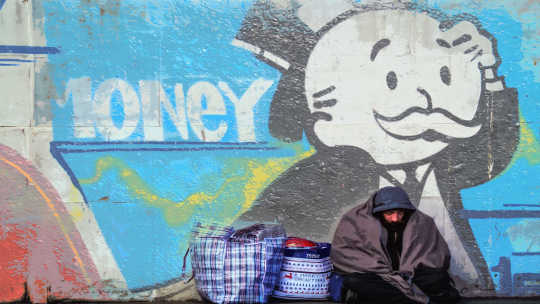 If the United States doesn’t address rising inequality, the middle class could start feeling the effects in the form of fewer government services, one expert says.
Researchers have created an interactive, map-based tool—the Opportunity Atlas—that can trace the root of people’s outcomes, such as poverty or incarceration, to the neighborhoods in which they grew up.
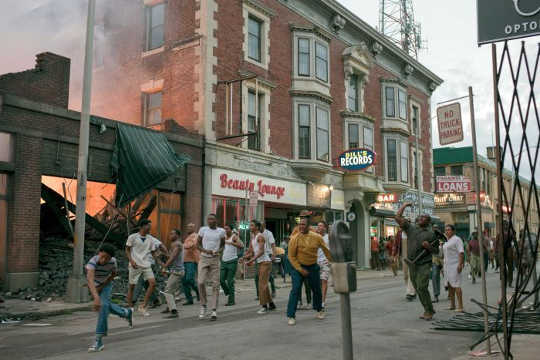 Racial wealth inequality was an important factor contributing to the riots in many American cities in the 1960s, but a half-century later, the issue has gotten short shrift, researchers report.
 American workers’ occupational status reflects that of their parents more than previously known, a new study shows.
The findings reaffirm more starkly that the lack of social mobility in the United States is in large part due to the occupation of our parents.

Societies tend to become more unequal over time, unless there is concerted pushback. A society that fails to invest in its children, to protect its land and water, or to build a future is courting collapse. The process feeds on itself, growing like a cancer...
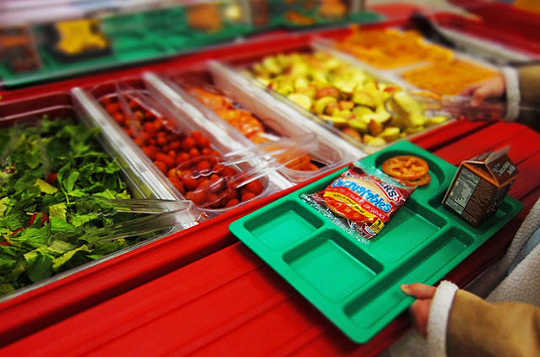
Children from low-income families who attend a school that offers free breakfasts do better academically in math, science, and reading, report researchers.
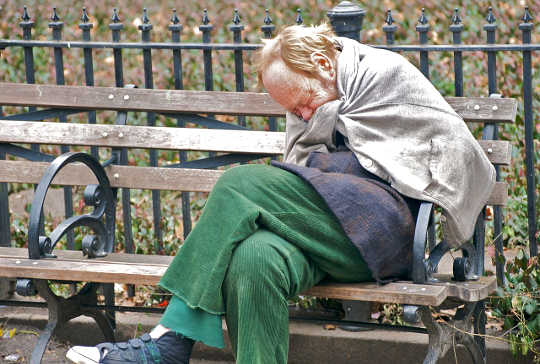 A number of recent articles in the corporate press around the country highlight the ongoing dilemma the capitalist class faces in dealing with the persistent and rising homelessness problem.
 This is the real-world economy for a living Earth that we must learn to structure and manage to provide a safe space for humanity.
 'Declines in absolute mobility have been a systematic, widespread phenomenon throughout the United States since 1940,' the authors of the new study write.
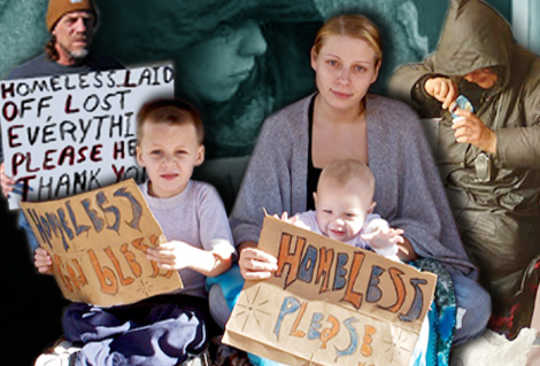 The American tax system, in which those with the least pay the most.
 The wealthy will not be able to build a wall high enough or a silo deep enough. The only solution is to bring your wealth home and invest in community resilience to ensure the survival of all.
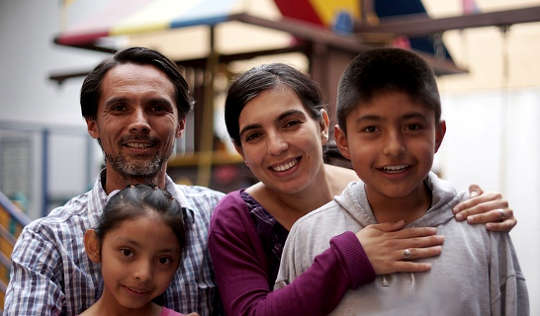 In 2014, the Supplemental Nutrition Assistance Program (SNAP), a federal program to address food insecurity in the United States, provided $70 billion in nutrition support to 46.5 million families and children living in 22.7 million American households.
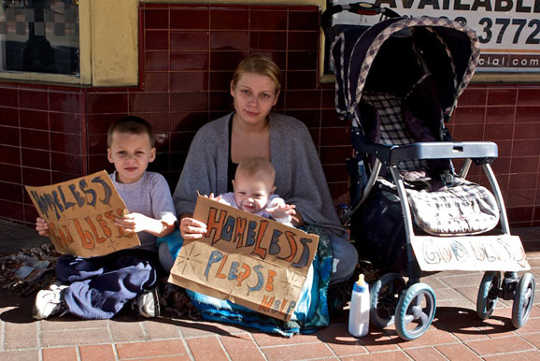 A survey of about 1,500 extremely disadvantaged families in Boston, Chicago, and San Antonio shows teenagers go without food twice as often as their younger brothers and sisters.
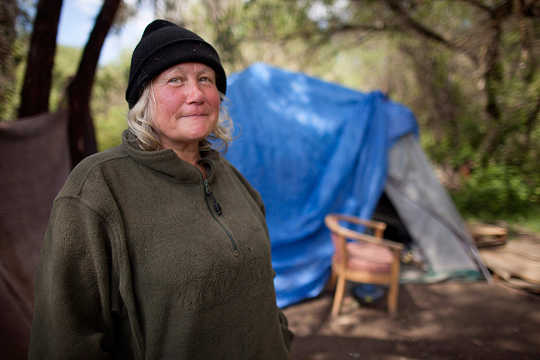 Older Americans with less money and education are much more like to suffer from chronic pain than wealthier adults with more education.
 In a recent study, American participants placed Muslims and Mexican immigrants significantly closer to the ape-like ancestor than Americans as a whole.
 Access to health insurance can help hold a community together socially, and lack of it can help fray neighborhood cohesion, report researchers.
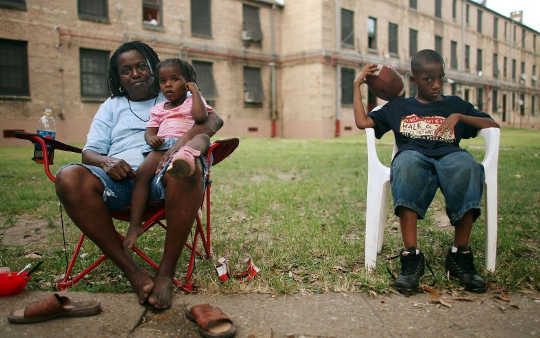 As Donald J. Trump assumes the presidency and lays out his agenda for our country, he will likely proclaim himself, as he did in the campaign, the voice of "the forgotten Americans."
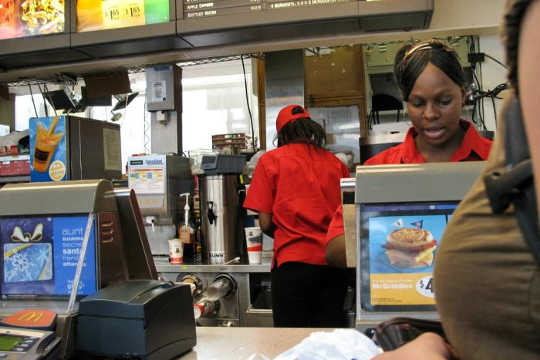 Young people entering the workforce today are far less likely to earn more than their parents when compared to children born two generations earlier, new research shows.
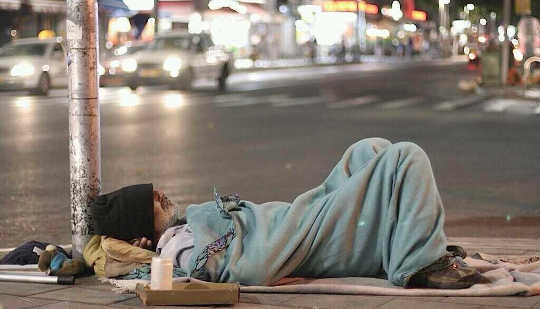 Since social scientists and economists began measuring poverty, its definition has never strayed far from a discussion of income.
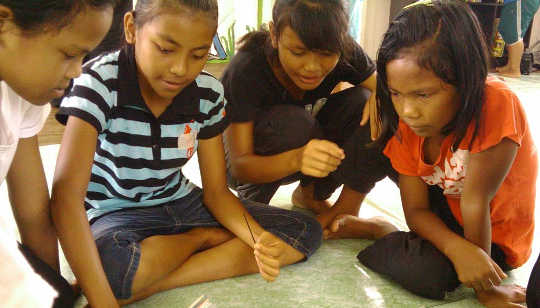 New research links income inequality with greater civic engagement among young people—particularly among young people of color and those of lower socioeconomic status.
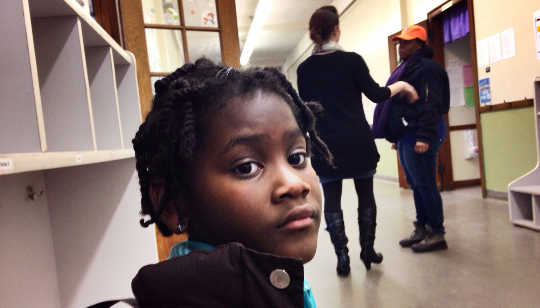 Teachers communicate with parents based on their racial and immigrant backgrounds—not just their child’s academic performance—research finds.
 A common argument for the decline in employment in recent years is that more workers are dropping out of the labor force to live off public benefits, particularly Social Security Disability Insurance (SSDI).
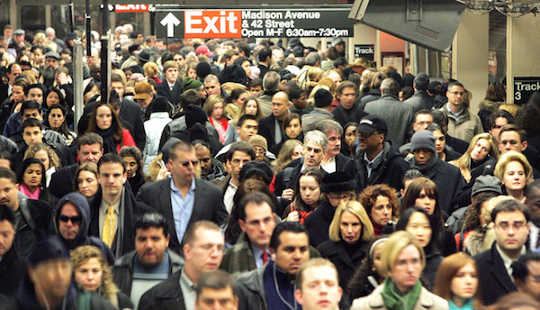 In all parts of the United States, the number of neighborhoods that are home to a mix of black, white, Asian, and Hispanic residents is growing.